
Bhutan
Bhutan Overview
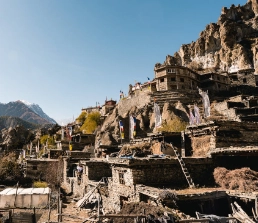
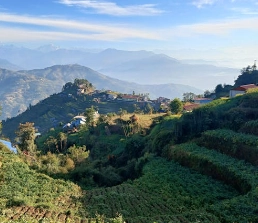
Known as the "Land of the Thunder Dragon," Bhutan is a mystical kingdom nestled high in the eastern Himalayas. It is a place where time seems to stand still, and success is measured not by Gross Domestic Product, but by Gross National Happiness. With its pristine forests, dramatic mountain landscapes, and deep-rooted Buddhist traditions, Bhutan remains one of the world's most exclusive and unspoiled travel destinations.
From the iconic cliffside monastery of Paro Taktsang (Tiger's Nest) to the majestic fortress-like Dzongs of Punakha and Thimphu, every corner of Bhutan radiates spirituality and peace. As the world's first carbon-negative country, its commitment to conservation makes it a paradise for trekkers, nature lovers, and those seeking a profound cultural awakening in the mountains.
-
Capital
Thimphu
-
Languages
Dzongkha, English
-
Currency
Ngultrum (BTN)
-
Best Season
Mar-May & Sep-Nov
-
Highest Peak
Gangkhar Puensum — 7,570 m
Pick Your Journey
What To Do in Bhutan
From the cliffside heights of Tiger's Nest to the tranquil courtyards of ancient Dzongs — choose the experience that calls to you.
Need To Know
Frequently Asked Questions
Everything you need to plan your journey to the Dragon Kingdom.
Do I need a visa and what is the Sustainable Development Fee (SDF)?
Yes, all international tourists (except passport holders from India, Bangladesh, and the Maldives) require a visa to enter Bhutan. Additionally, Bhutan mandates a daily Sustainable Development Fee (SDF) which goes toward funding free education, healthcare, and environmental conservation in the country. We handle all visa processing and fee inclusions when you book a tour with us.
What is the best time of year to visit Bhutan?
The ideal times to visit are spring (March to May) and autumn (September to November). Spring brings stunning blooms of rhododendrons and mild weather. Autumn offers crystal-clear skies for spectacular Himalayan views and coincides with many of Bhutan's famous vibrant religious festivals (Tshechus).
Is the hike to Tiger's Nest (Paro Taktsang) difficult?
The hike is considered moderate to challenging due to the altitude and steep incline. It generally takes about 4 to 6 hours round trip, depending on your fitness level. There is a cafeteria halfway up where you can rest. Taking it slow, staying hydrated, and bringing trekking poles will make the journey much more comfortable.
Can I travel independently in Bhutan?
While recent rule changes allow a bit more flexibility, it is still highly recommended—and for many activities and regions, mandatory—to have a licensed Bhutanese guide. Booking through a recognized tour operator ensures all your logistics, permits, and guides are organized, allowing for a seamless and enriching experience.
What currency is used, and can I use credit cards?
The official currency is the Bhutanese Ngultrum (BTN), which is pegged 1:1 to the Indian Rupee (INR). Indian Rupees are widely accepted across Bhutan. Credit cards are generally only accepted at larger hotels and high-end handicraft shops. It is highly advisable to carry cash for smaller purchases, tipping, and local markets.