
India
India Overview
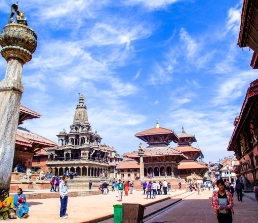
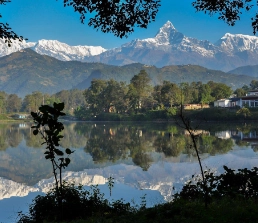
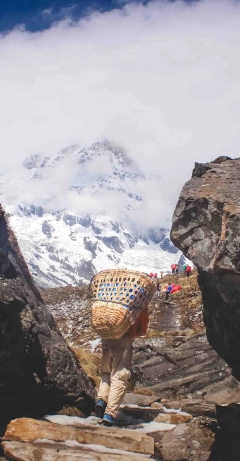
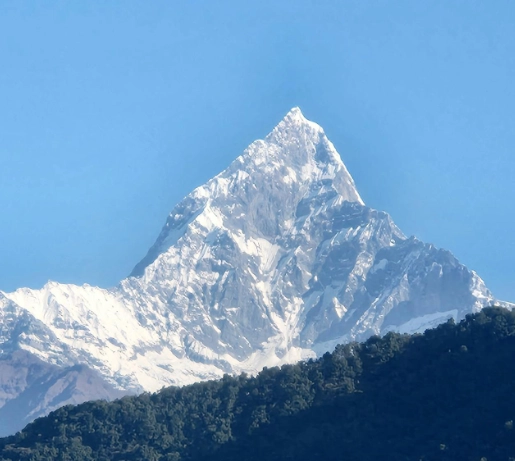
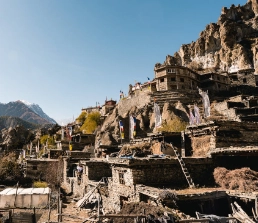
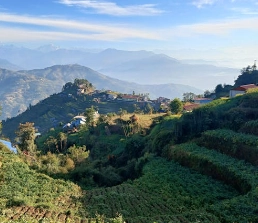
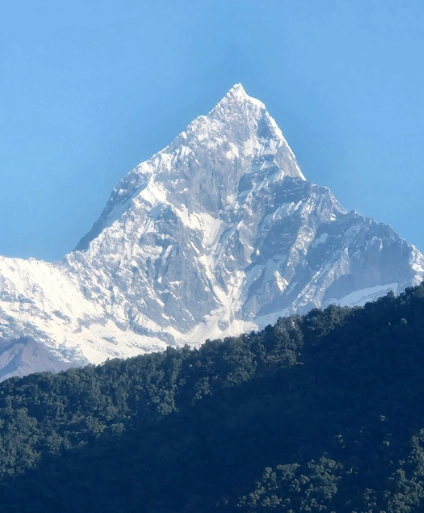
India is a land of extraordinary diversity — home to ancient civilizations, bustling mega-cities, serene landscapes, and a rich tapestry of cultures, religions, and traditions. From the snow-capped peaks of the Himalayas in the north to the sun-kissed beaches of the south, and the arid deserts of the west to the lush tea gardens of the east, India offers an unparalleled sensory experience that captivates every traveler.
The legendary Golden Triangle offers a glimpse into India's royal past with monumental marvels like the Taj Mahal. Beyond the historic forts and palaces, you can explore the peaceful backwaters of Kerala, witness spiritual rituals along the sacred Ganges in Varanasi, or embark on a thrilling tiger safari in Ranthambore. Every corner of India tells a profound and unique story.
-
Capital
New Delhi
-
Languages
Hindi, English
-
Currency
Indian Rupee (INR)
-
Best Season
Oct - March
-
Highest Peak
Kangchenjunga — 8,586 m

Pick Your Journey
What To Do in India
From the royal palaces of Rajasthan to the serene backwaters of Kerala — choose the experience that calls to you.
Need To Know
Frequently Asked Questions
Everything you need to plan your Indian adventure with confidence.
Do I need a visa to visit India?
Yes, most foreign nationals require a visa to enter India. Fortunately, India offers an e-Visa facility for citizens of over 160 countries, which makes the process online, quick, and highly convenient for tourists. Ensure you apply well in advance of your travel dates.
What is the best time of year to visit India?
The most popular time to visit is during the winter months, from October to March, when the weather is cool and pleasant across most of the country. Summer (April to June) is ideal for visiting the Himalayan regions, while the monsoon (July to September) transforms the southern landscapes into lush, vibrant green.
Is it safe to eat street food in India?
Indian street food is incredibly delicious, but it's important to be cautious to avoid "Delhi Belly." Stick to busy vendors where food is cooked fresh and served piping hot. Avoid raw vegetables, peeled fruits, and tap water. Always drink bottled or filtered water during your trip.
How should I dress when visiting temples or monuments?
Modest dress is highly recommended and often required when visiting religious and traditional sites. Both men and women should wear clothing that covers their shoulders and knees. You will also be required to remove your shoes before entering mosques, temples, and certain monuments.
Do I need travel insurance for India?
Comprehensive travel insurance is highly recommended. It should cover medical emergencies, trip cancellations, and any adventurous activities you plan to undertake, such as trekking or wildlife safaris. Having insurance ensures peace of mind while exploring a vast country like India.