Nepal
Nepal Overview
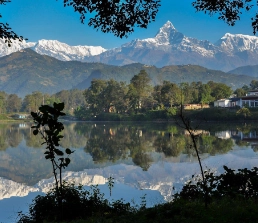
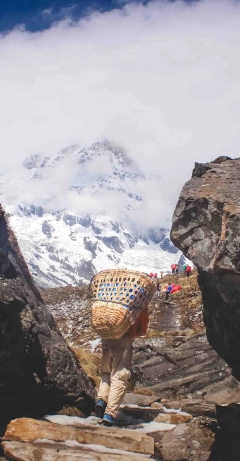
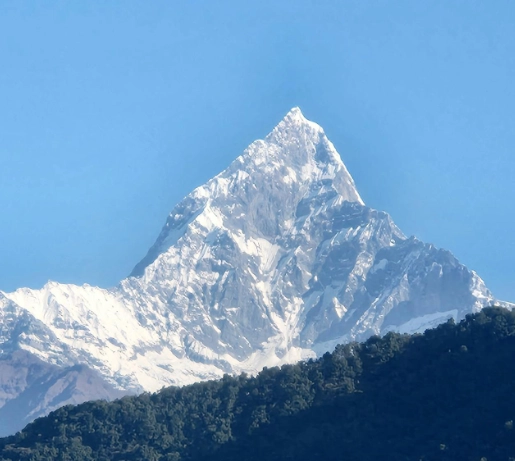
Nepal is a land of extraordinary contrasts — home to eight of the world's ten tallest mountains, including the legendary Mount Everest, yet equally alive with lush subtropical jungles where the Royal Bengal Tiger prowls and one-horned rhinoceroses graze in river-fed grasslands. Nestled between Tibet to the north and India to the south, this ancient Himalayan kingdom offers an unmatched blend of raw adventure, living culture, and spiritual depth that few destinations on Earth can rival.
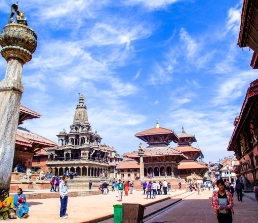
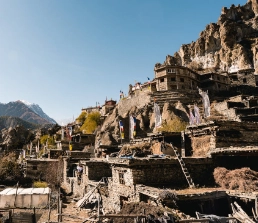
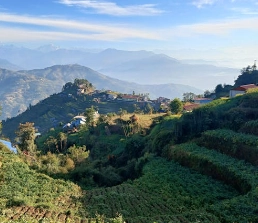
The Kathmandu Valley — a UNESCO World Heritage cultural landscape — is a mosaic of three ancient city-kingdoms: Kathmandu, Patan, and Bhaktapur, each alive with medieval palaces, intricately carved pagodas, gilded stupas, and bustling bazaars unchanged for centuries. Beyond the valley, Nepal unfolds into dramatic mountain landscapes, remote highland villages, and trekking routes that have inspired adventurers from across the globe.
-
Capital
Kathmandu
-
Languages
Nepali, English
-
Currency
Nepalese Rupee (NPR)
-
Best Season
Oct-Nov & Mar-May
-
Highest Peak
Everest — 8,849 m

Pick Your Journey
What To Do in Nepal
From the summit ridgelines of the Himalayas to the ancient courtyards of Kathmandu — choose the experience that calls to you.
Need To Know
Frequently Asked Questions
Everything you need to plan your Nepal adventure with confidence.
Do I need a visa to visit Nepal?
Most nationalities can obtain a visa on arrival at Tribhuvan International Airport in Kathmandu and at several land border crossings. A 15-day tourist visa costs approximately USD 30, a 30-day visa is USD 50, and a 90-day visa is USD 125. Indian nationals do not require a visa to enter Nepal.
What is the best time of year to trek in Nepal?
The two prime trekking seasons are autumn (October to November) and spring (March to May). During these months the skies are clearest, temperatures are moderate at altitude, and Himalayan views are at their most spectacular. Winter trekking is possible at lower elevations, while the monsoon (June-September) brings lush greenery but heavy rainfall on most trails.
Do I need a trekking permit for Everest Base Camp?
Yes. Trekking in the Khumbu (Everest) region requires a Sagarmatha National Park Entry Permit and a Khumbu Pasang Lhamu Rural Municipality Trekking Permit. Our packages handle all permit arrangements on your behalf so you can focus entirely on the adventure.
Is Nepal safe for solo travellers and families?
Nepal is widely regarded as one of the safest destinations in Asia. The Nepali people are famously warm and hospitable. Solo travellers, couples, and families with children all visit comfortably each year. We recommend travelling with a licensed guide in remote mountain regions for both safety and a richer cultural experience.
Do I need travel insurance for Nepal?
Comprehensive travel insurance including emergency helicopter evacuation cover is strongly recommended — and in many cases required — for trekking above 3,000 m. Most reputable guides and trekking agencies will ask for proof of insurance before departing for high-altitude routes.