
Tibet
Tibet Overview
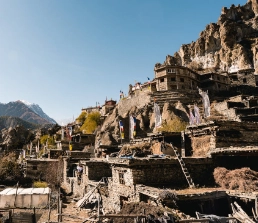
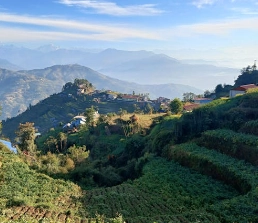
Known as the "Roof of the World," Tibet is a land of profound spirituality, vast high-altitude plateaus, and some of the most dramatic mountain scenery on Earth. Hidden behind the colossal wall of the Himalayas, this ancient region is steeped in rich Buddhist traditions. From the chanting monks of century-old monasteries to the nomadic yak herders of the northern plains, Tibet offers an otherworldly experience that deeply touches the soul.
The heart of Tibet beats in Lhasa, home to the magnificent Potala Palace and the sacred Jokhang Temple, bustling with devoted pilgrims. Beyond the city lies a rugged frontier of turquoise salt lakes, sweeping valleys, the northern face of Mount Everest, and the sacred Mount Kailash—a paramount pilgrimage site for multiple religions. Traveling here is a true journey of a lifetime.
-
Capital
Lhasa
-
Languages
Tibetan, Mandarin
-
Currency
Chinese Yuan (CNY)
-
Best Season
May to October
-
Highest Peak
Everest (North) — 8,848m
Pick Your Journey
What To Do in Tibet
From the golden roofs of the Potala Palace to the sacred slopes of Mount Kailash — choose the experience that calls to you.
Need To Know
Frequently Asked Questions
Everything you need to know before stepping onto the Roof of the World.
Do I need a special permit to enter Tibet?
Yes. In addition to a valid Chinese Visa, all foreign travelers must obtain a Tibet Travel Permit (TTP). If you are entering from Nepal, you will need a specific Group Tourist Visa rather than a standard Chinese Visa. Furthermore, independent travel is not permitted in Tibet; you must be part of an organized tour with a registered guide. We handle all of these permit arrangements for our clients.
What is the best time of year to visit Tibet?
The most favorable time to visit is from May to October. During these months, the weather is relatively warm, the skies are generally clear, and the oxygen levels are higher. Summer (July and August) is the rainy season, but showers usually occur at night. Winters are harsh and many remote regions become inaccessible due to heavy snow.
How can I prevent Altitude Sickness?
Lhasa sits at 3,656 meters (11,990 feet), and many other sites are even higher. To prevent Acute Mountain Sickness (AMS), it is crucial to acclimatize properly. Drink plenty of water, avoid alcohol and strenuous exercise for the first few days, and ascend gradually. Many travelers prefer to take the scenic train ride into Lhasa as it helps the body adjust better than flying directly in.
What should I pack for a trip to Tibet?
Due to the high altitude, the UV rays are extremely strong, and temperature drops drastically at night. Pack layers—including thermal underwear, a good fleece, and a wind/waterproof jacket. Essential items include high-SPF sunscreen, polarized sunglasses, a wide-brimmed hat, comfortable walking shoes, and lip balm.
Are there ATMs, and can I use credit cards?
ATMs are easily found in Lhasa, Shigatse, and other major towns, mostly dispensing Chinese Yuan (CNY). Credit cards are accepted in high-end hotels and larger stores in Lhasa, but cash is king elsewhere. Digital payments (like WeChat Pay or Alipay) are ubiquitous, but cash is still necessary for small purchases, monasteries, and remote areas.