
The Geet of Nepal
The Mountains Are Only
The Mountains Are Only
The Beginning.
The Philosophy
Most travelers come to Nepal for the mountains. And yes - the Himalayas do deserve their awe.
But Nepal is not only its snowy peaks. It lives in hidden courtyards lit by oil lamps, in old towns where wood still becomes art by hand, in villages where songs are inherited like family heirlooms, and in communities that have carried their way of life through centuries.
At Geet Travel, we believe travel becomes meaningful when you stop observing a place and begin listening to it. Not just to its landmarks - but to its people.
The Geet of Nepal is our way of slowing down enough to hear the rhythm beneath the tourism. The living traditions. The forgotten stories. The people who still shape Nepal the way their ancestors once did.
How We Travel Nepal
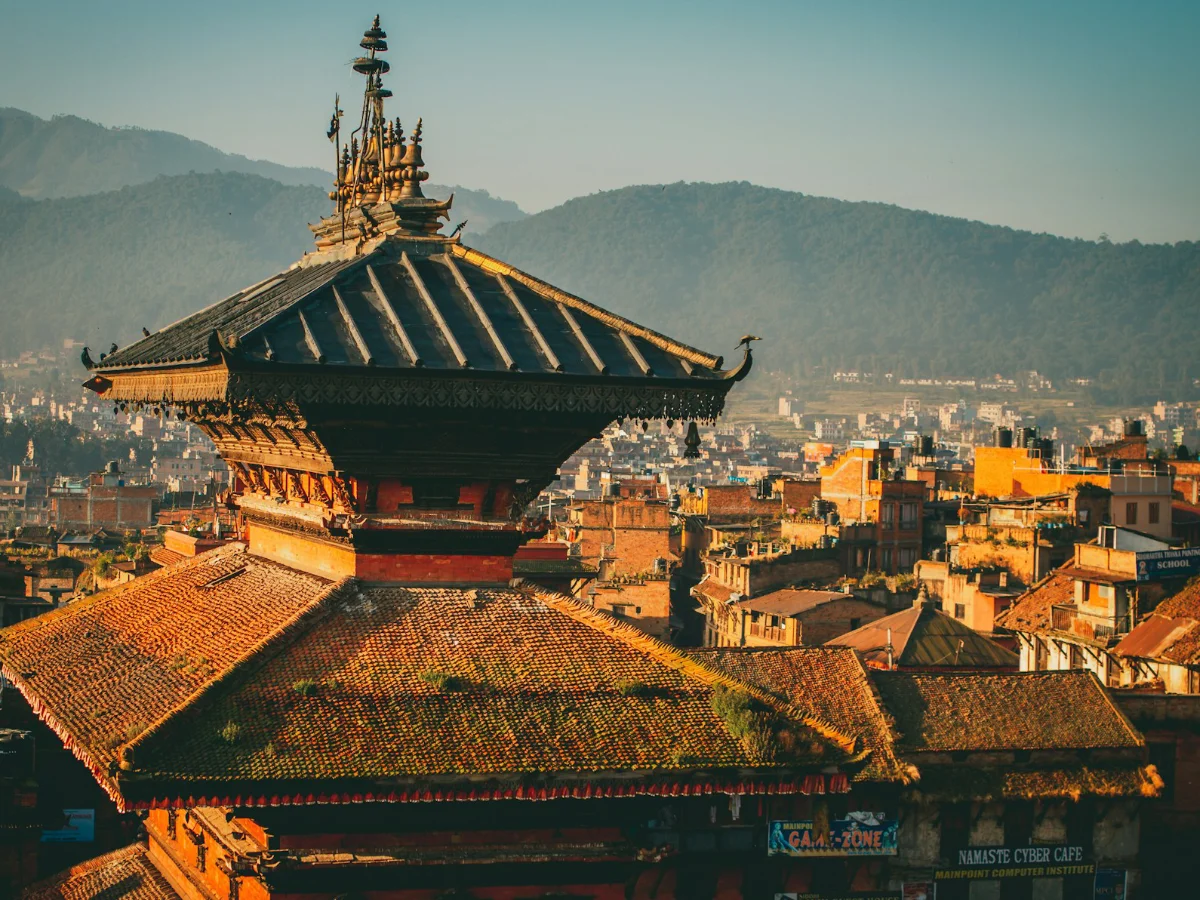
Kathmandu — Beyond the Monuments
Of course, you will visit Nepal’s great UNESCO heritage sites — the temples, stupas, and royal squares that define the Kathmandu Valley. But the true soul of Kathmandu often hides just beyond the main streets.
Step into the old bahals and courtyards of Patan and Bhaktapur, and you will find entire communities built around ancestral crafts. Potters shaping clay the same way their forefathers once did. Woodcarvers chiseling intricate windows by hand. Stone sculptors, metal casters, paubha painters, traditional musicians, and farming families still tending the valley’s remaining fields.
These are not modern professions created for tourists. Centuries ago, the kings of the valley organized communities around specialized skills so the city could function as a living ecosystem of artisans, farmers, priests, traders, and storytellers. And remarkably, many of those traditions still survive today.
At Geet Travel, we don’t want you to simply photograph these communities. We want you to spend time with them. Sit in their workshops. Hear their stories. Understand the meaning behind what they create. Because Kathmandu is not a museum. It is a civilization still breathing.
Pokhara — Listening to the Sarangi
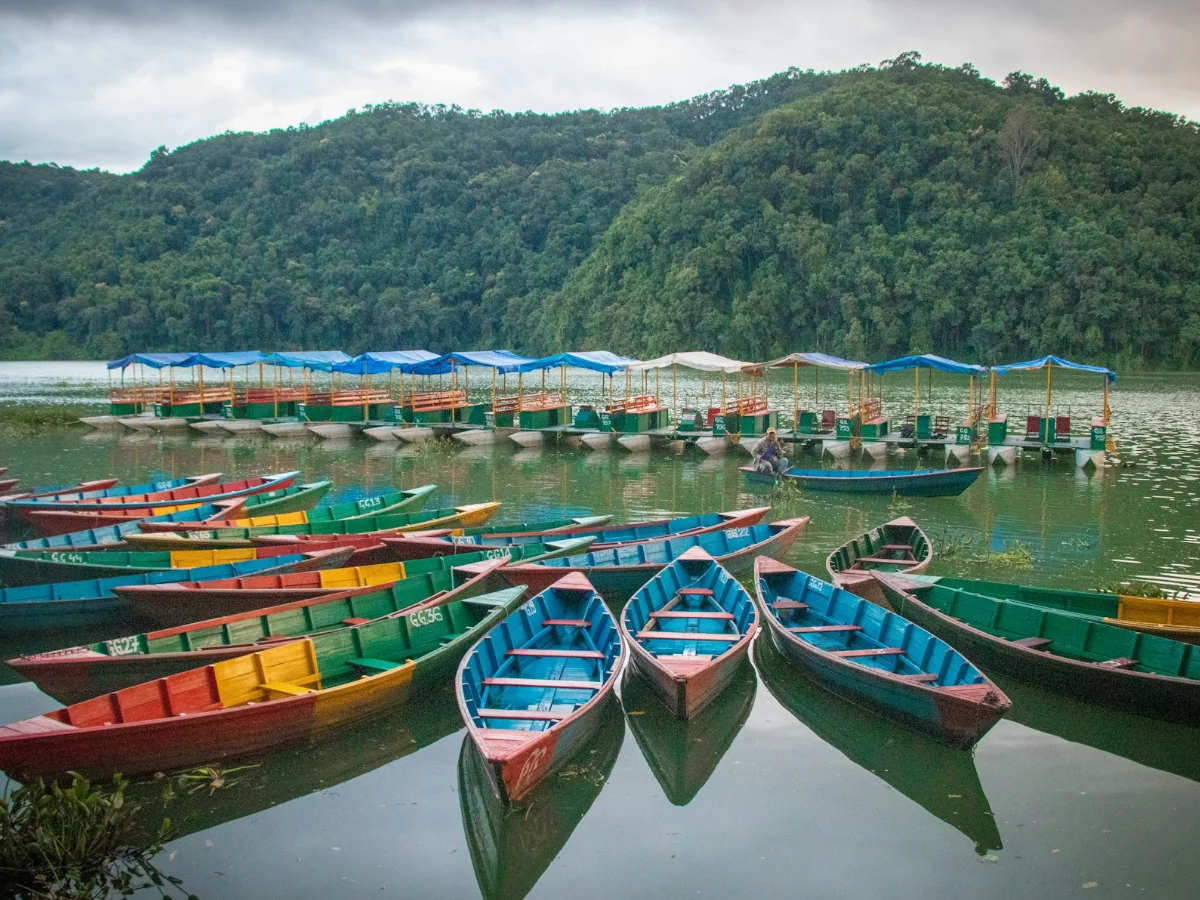
Yes — you will glide above Pokhara’s skies, watch the Annapurnas reflect on Phewa Lake, and experience the adventure the city is famous for. But just outside Pokhara lies another story most travelers never hear.
Around 10 kilometers away is Batulechaur, home to generations of Gandharva musicians — Nepal’s traditional traveling storytellers. For centuries, the Gandharvas moved from village to village carrying news, folklore, history, and emotion through the sound of the sarangi. Their music was never just entertainment. It was memory. It was storytelling. It was Nepal speaking to itself.
Even today, many families continue this musical lineage, passing their craft from one generation to the next. We take you beyond staged performances and into genuine encounters — where you can sit with musicians, hear the cry of the sarangi up close, and understand why these songs still hold such emotional weight across Nepal.
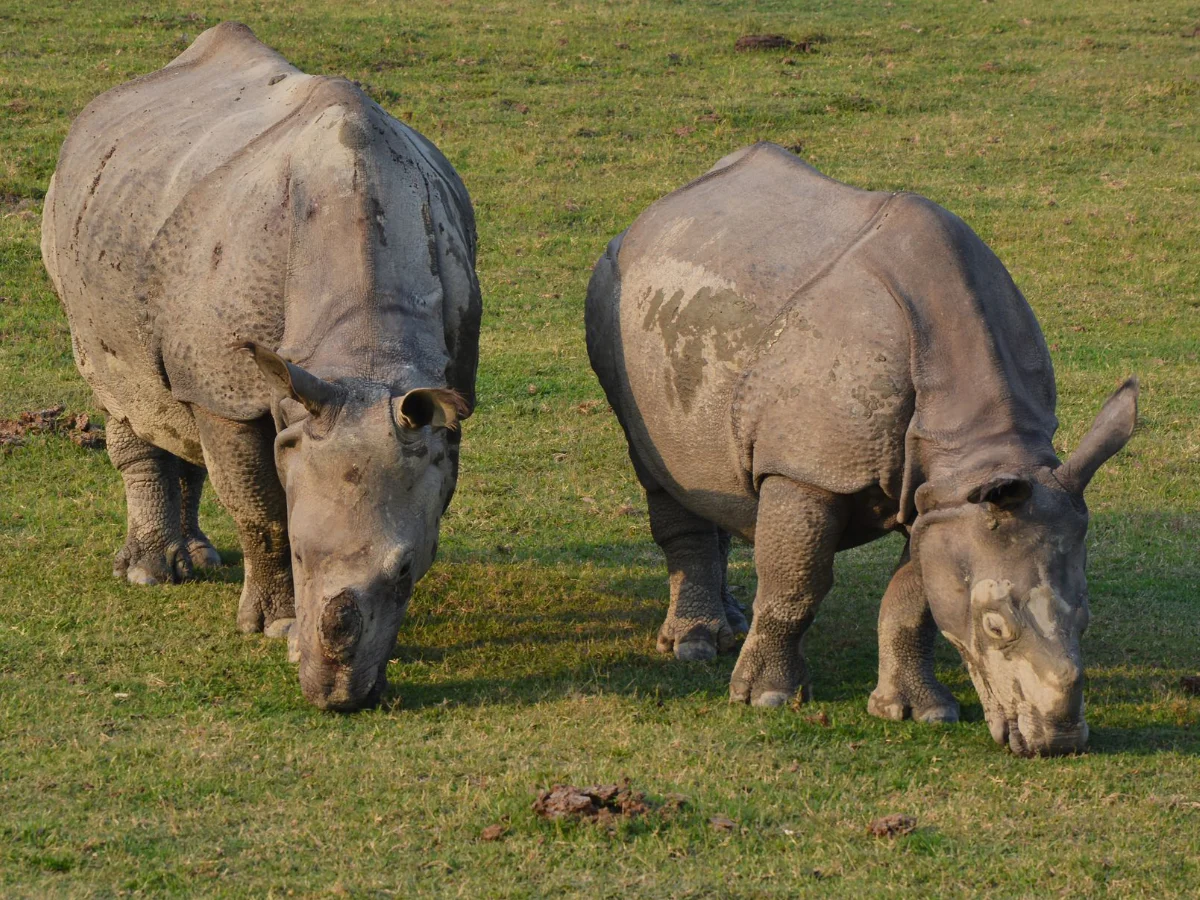
Chitwan — Understanding the Tharu Homeland
Of course, Chitwan offers safaris, jungle walks, canoe rides, and cultural performances. But before the jungle became a destination, it was home.
The Tharu people lived alongside these forests for generations, adapting to the harsh realities of the Terai long before modern tourism arrived. They survived malaria outbreaks that once kept outsiders away, built deep relationships with the jungle, and developed traditions shaped by both resilience and celebration. Many trace parts of their distant ancestry to migrations connected to the Thar regions of the Indian subcontinent, yet over centuries they formed a unique identity deeply rooted in Nepal’s plains and forests.
Today, travelers often see Tharu dances performed in resorts. But those dances once carried deeper meaning — expressions of strength, survival, harvest, courtship, spirituality, and communal identity.
At Geet Travel, we believe culture should not be reduced to a performance. We encourage travelers to understand the people behind it — to visit local communities respectfully, learn about their history, observe daily life, and see how their connection with the jungle continues even in a changing world.